
Estate Planning Services
Straightforward planning built around what matters most—your family, your home, and your peace of mind.
How to choose the right starting point
A quick guide to help you start in the right place.
Most families start here
Will + Power of Attorney + Healthcare Proxy
- Creates a clear legal foundation for protecting your family
- Ensures someone you trust can act if you become unable
- Works well for families with straightforward planning needs
Consider a trust when
You want a more structured plan
- You want smoother administration and less court involvement
- You own real estate and want continuity if you become incapacitated
- You want a more structured plan for long-term family goals
Review or update when
Life changes and your plan should too
- You moved, bought or sold a home, or changed states
- You got married, divorced, or welcomed another child
- Your assets, accounts, or beneficiaries have changed
Services

Wills
Clear instructions for guardianship, inheritance, and who handles your estate.
Learn more →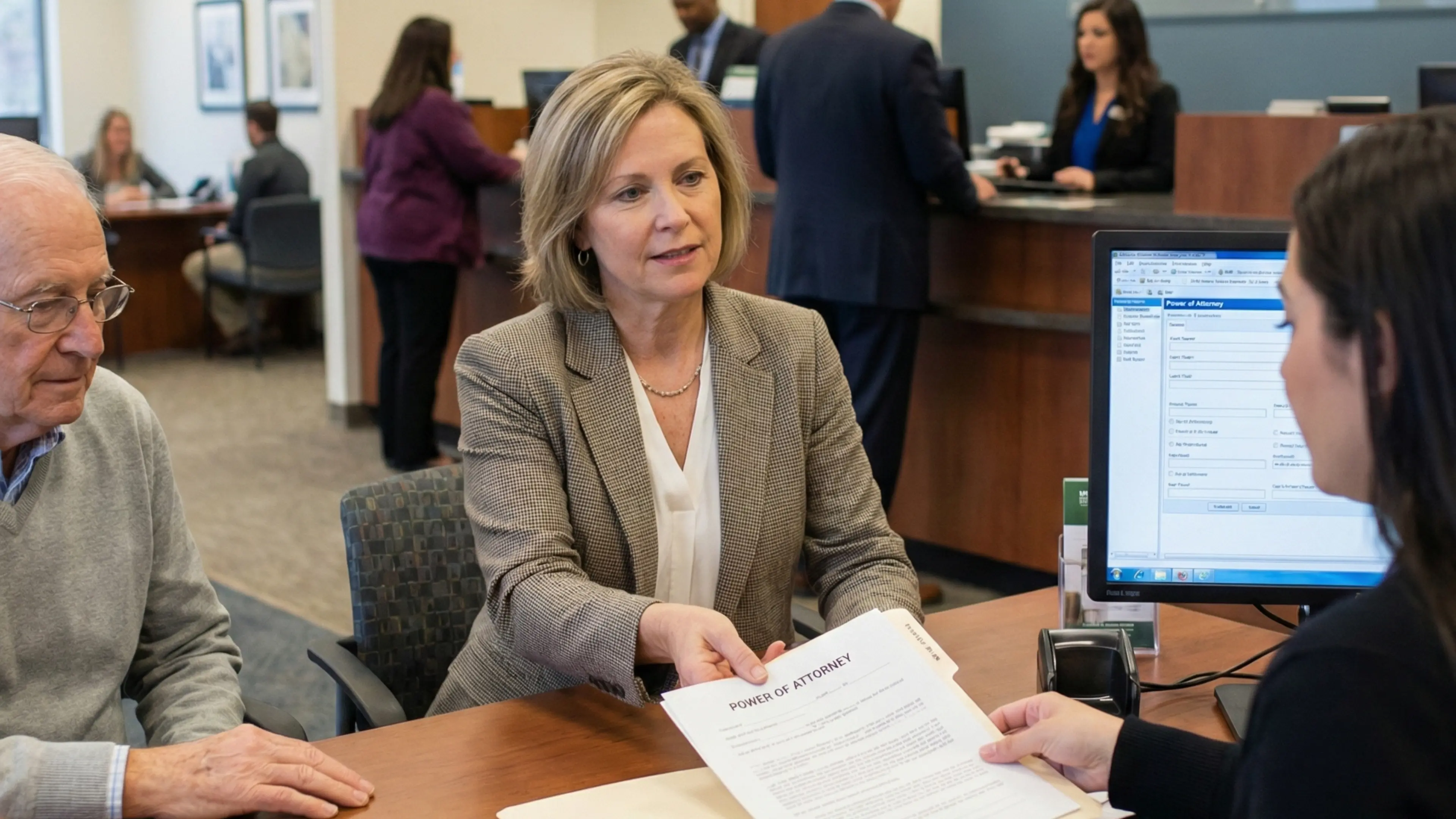
Powers of Attorney
Choose a trusted agent to handle finances and legal matters if you can’t.
Learn more →
Healthcare Proxies
Make sure your medical decisions are handled by the person you choose.
Learn more →
Revocable Living Trusts
Flexible planning that can simplify administration and provide continuity.
Learn more →
Complete Estate Planning Packages
An all-in-one approach so your documents work together as a single plan.
Learn more →
Guardianship Planning for Minor Children
Protect your children with thoughtful guardian selections and backups.
Learn more →
Estate Plan Reviews and Updates
Make sure your plan still fits after life changes, moves, or new assets.
Learn more →
Other Services
Additional estate planning support for needs beyond the core documents.
Learn more →Estate planning FAQs
Common questions from New York families considering a plan.
What happens if I die without a will in New York?
New York intestacy law controls who inherits, and that distribution may not match what you wanted. The court also appoints the person who administers the estate, which can add delay and stress for your family.
Will my estate have to go through probate?
Many estates do go through probate, especially when assets are titled only in the decedent’s name. Planning choices like beneficiary designations, joint ownership, and trusts can reduce how much goes through probate.
What’s the difference between a will and a trust?
A will controls distribution at death and can nominate guardians for minor children, but it generally works through probate. A trust can provide management during life and after death and is often used when families want added structure and continuity.
What documents do most families need?
For many families, the core set is a will, power of attorney, and healthcare proxy. Depending on goals, assets, and family structure, a trust-based plan may also be appropriate.
How often should I review my estate plan?
A good baseline is every few years, and sooner after major life or asset changes. Marriage, divorce, births, deaths, moves, and significant financial updates are all strong triggers for review.
Does estate planning cover guardianship for minor children?
Yes. Guardian nominations are typically handled through your will and coordinated with the rest of your estate plan so decision-making and financial planning work together.
If you are ready to get started, complete the intake form and I will follow up with next steps.
Not sure what you need?
If you’re not sure which documents fit your situation, start with a quick intake and I’ll help you narrow it down.
Contact